
The Ultimate Douyin Live Streaming Playbook: Replicable Strategies for Viral Chinese TikTok Rooms
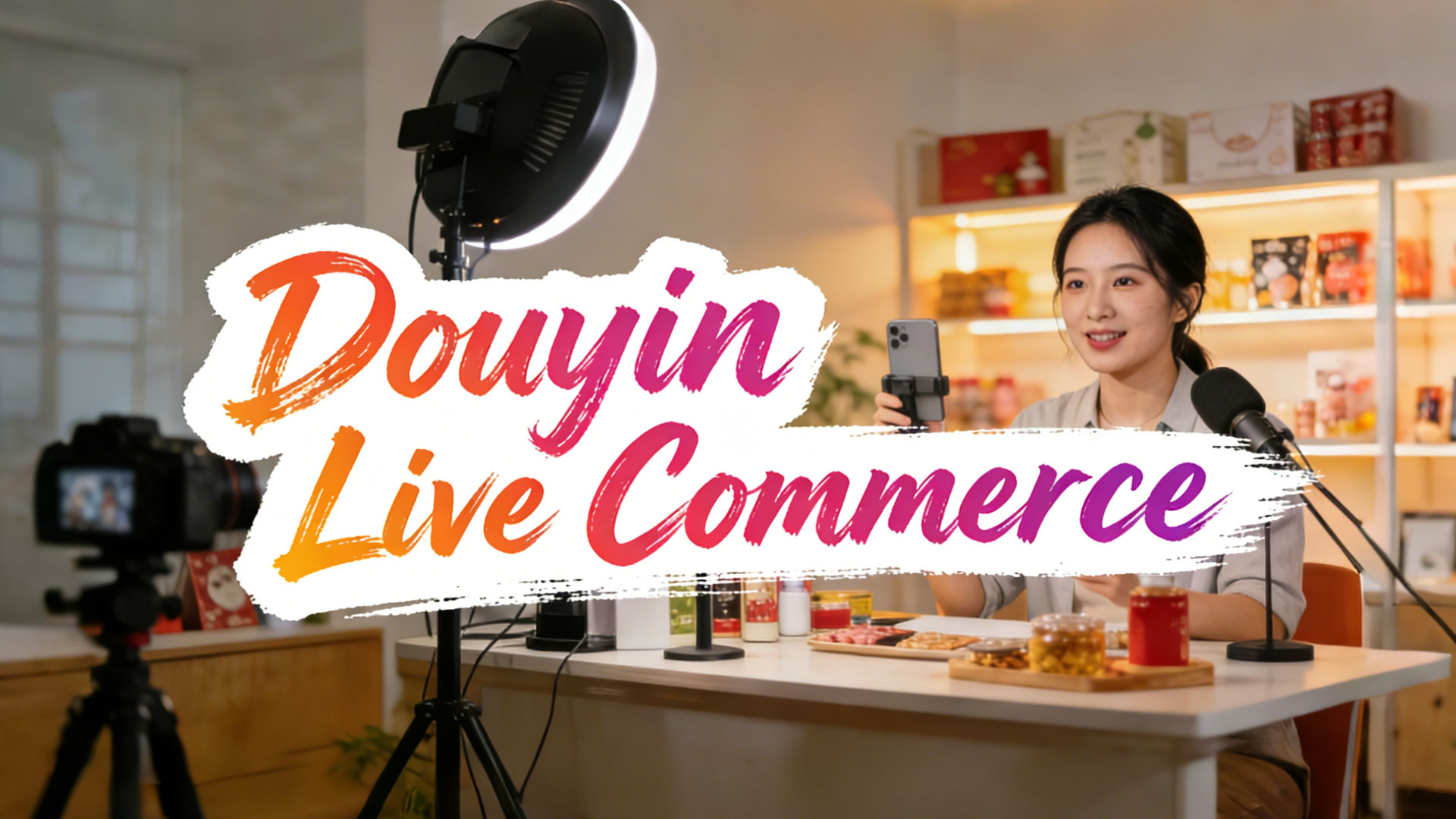
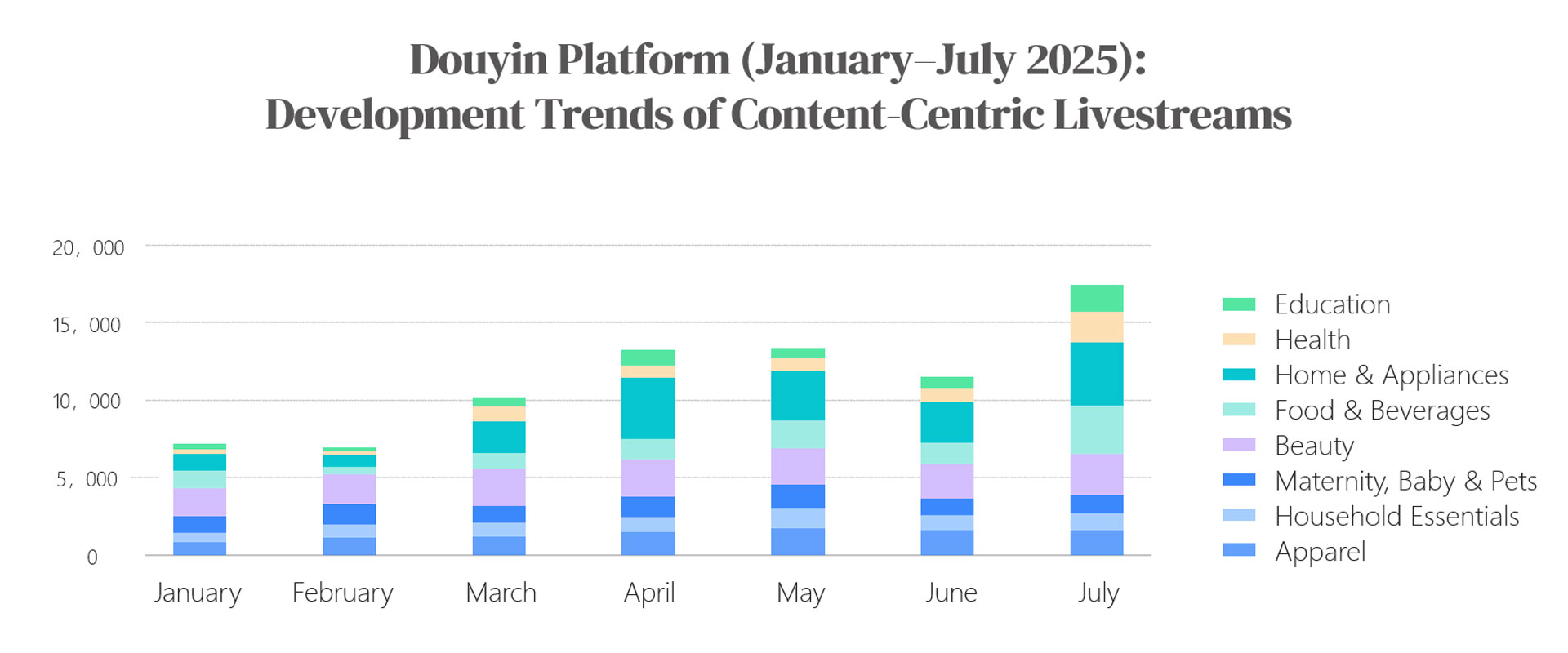
Looking back at the first half of 2025, Douyin witnessed over 100,000 content-driven live streams. Numerous brands used live streaming as a medium to continuously bring new surprises in terms of gameplay, making Douyin's live stream content increasingly diverse. A host of FMCG brands have increasingly moved their product launches, outdoor scenes, and factory warehouses into their live streams, and this trend is becoming more prevalent.
Brandoro has systematically summarized and compiled popular live streaming methodologies that can be replicated by all merchants, providing overseas merchants with specific ways to break through in operating a live streaming room on Douyin in China .
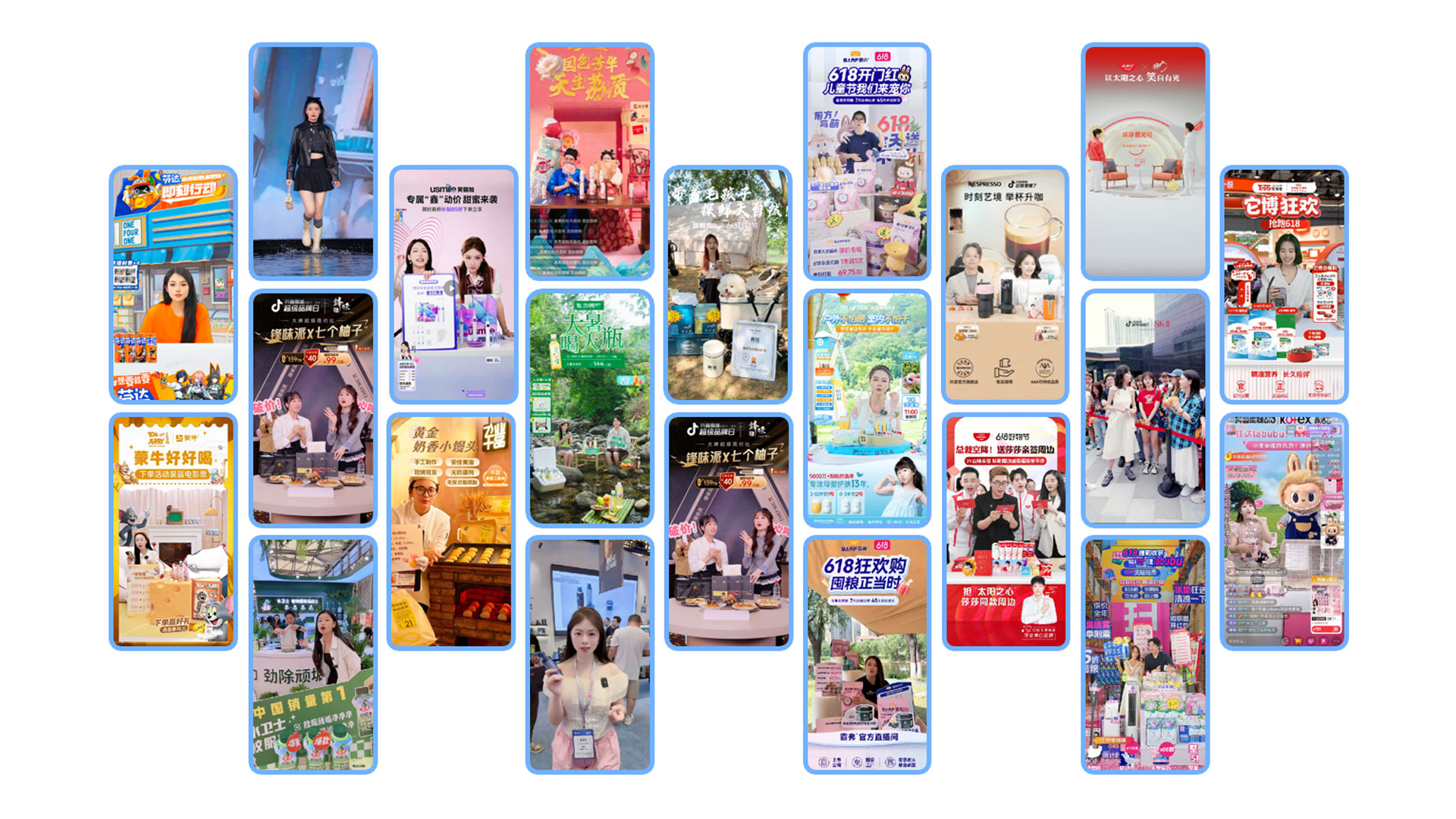
The competition for business in brand livestreaming rooms has escalated into a competition for content.
By carefully analyzing the content and strategies of these live-streaming rooms, it's easy to see that they all rely on upgrading the three key elements—host , product , and venue — to double the GMV of a single live stream and break through business ceilings.
• Host : Invite celebrities, influencers, brand executives, and other guests with distinct personas to the live broadcast room to endorse the brand, enhance the interactive atmosphere, and boost sales.
• Products : Based on the marketing highlights of the brand's good products (new products/co-branded products/hot products, etc.), customize consistent live streaming content scenarios and live streaming formats to further amplify the appeal of the products.
• Venue : From the perspectives of product production/transaction/marketing/use, select novel and unique live streaming scene formats to make the live streaming room visually eye-catching and attract viewers to watch and place orders.
high -conversion content live streams typically have a larger traffic source, higher business growth, and better advertising performance.
Brands can improve their livestream content metrics and e-commerce metrics through effective content management in their livestreams. Under the new traffic mechanism, they can gain more traffic and create more opportunities for business conversion. For brands, popular livestream content not only enables immediate conversions but also plants the seeds of brand awareness in consumers' minds, allowing for continuous growth.
How to Create a Popular Live Streaming Room ?
1. Content Locks In Users' Minds
Traditional live streaming focuses on one-way sales; however, as live streaming enters its second phase, the essence of user decision-making has shifted to "psychological identification." To shift users from "passive viewing" to "active engagement," live streaming content needs to be restructured to improve its alignment with consumers' implicit needs. Exploring the psychological needs of viewers reveals that the core appeal of live streaming today stems from entertainment and aspiration. Curiosity-driven hot topics or behind-the-scenes explorations can attract users to stay engaged; while instinctive needs guide users to focus on product demonstrations and seek trust endorsement.
To create high-quality livestream content that attracts and resonates with viewers, the first step is to clearly define the audience profile for the livestream. Starting with the brand itself, define the core purchasing group and potential interest groups for the livestream. Different users have different needs, so brands need to build a comprehensive understanding of the brand among consumers, forming brand awareness. By accurately identifying the user's mindset, the brand can leverage various content elements within the livestream to precisely target the user's interests.
Different user needs correspond to three different mindsets.
Sometimes, consumers buy a certain type of product simply to satisfy a specific functional pain point. Therefore, brands need to communicate the core selling points and benefits of their products to consumers and establish product awareness.
Sometimes user needs arise from specific scenarios, and the strong association between a product and this specific usage scenario constitutes scenario-based mindset.
Sometimes, users buy for emotional reasons, as it's an affirmation of the brand and an emotional connection—this is brand mindshare.
• To cultivate brand perception, brands need to clearly highlight the product's key selling points. This can be achieved by analyzing user search behavior and using livestream content that amplifies discounts, provides origin verification, and other incentives to accelerate the user's purchase decision.
• Regarding scenario-based mindset, it is recommended to prioritize following category/platform trends and finding scenario-based content that aligns with the product. By changing the theme of the scenario and introducing characters associated with that scenario, a connection can be established to stimulate purchases.
• Regarding brand mindset, it is recommended that brands build emotional connections with consumers by incorporating content formats such as inviting brand ambassadors to participate in interactive events and hosting live broadcasts of brand marketing activities, based on their positioning and the brand marketing theme throughout the year.
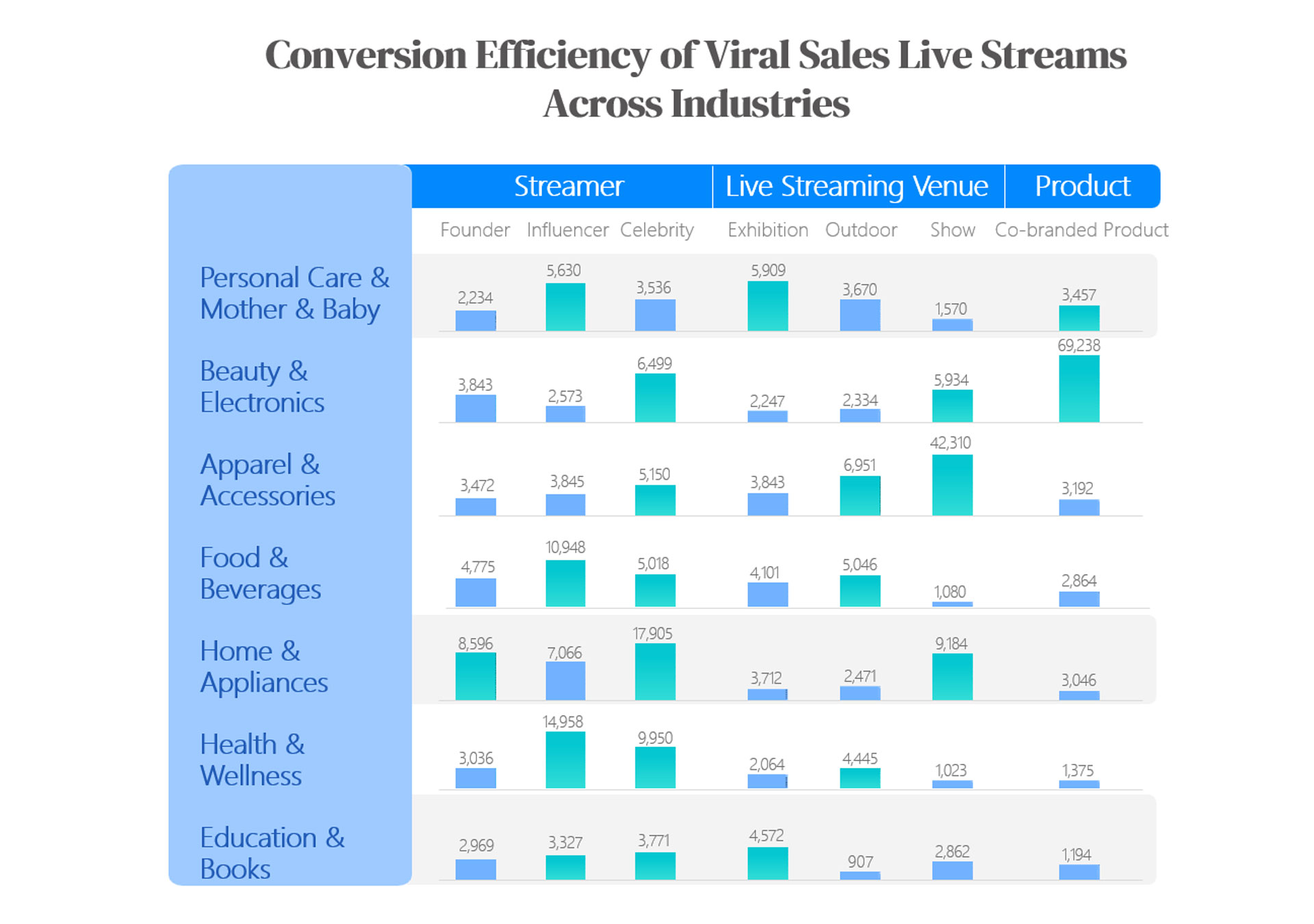
Despite the existence of common methodologies, different industries still exhibit typical differences.
"What kind of content and gameplay are suitable for my industry?" To answer this question, we still need to go back to the consumer behavior path and use data to verify it.
There are numerous metrics to monitor in a live stream, but a successful live stream doesn't require maximizing all of them. Identifying your own goals and strengths is more likely to drive improved performance. In the live e-commerce sector, the key metric influencing e-commerce traffic is GPM (Gross Merchandise Volume).
Over the past year, ByteDance's advertising platform, Ocean Engine, has conducted in-depth analysis of livestreaming room performance metrics across different industries and product categories. The research revealed significant differences in the ability of different types of livestreaming rooms to compete for traffic when facing brands from different product categories. These insights can guide us in identifying our future direction.
2. Strengthen Content Relevance
Even if the right type is chosen, the final effect of the live stream may vary, the key being whether the content is relevant enough.
Whether it's the visual presentation, scene arrangement, costumes and props, or the host, the primary goal of a live stream must always be to serve the final effect of the brand's live stream. Live stream content creation shouldn't fall into the trap of presenting for the sake of presentation; "innovation and gimmicks" need to be connected to the brand's tone and serve the theme of the live stream.
To effectively connect content with the brand, key factors need to be identified.
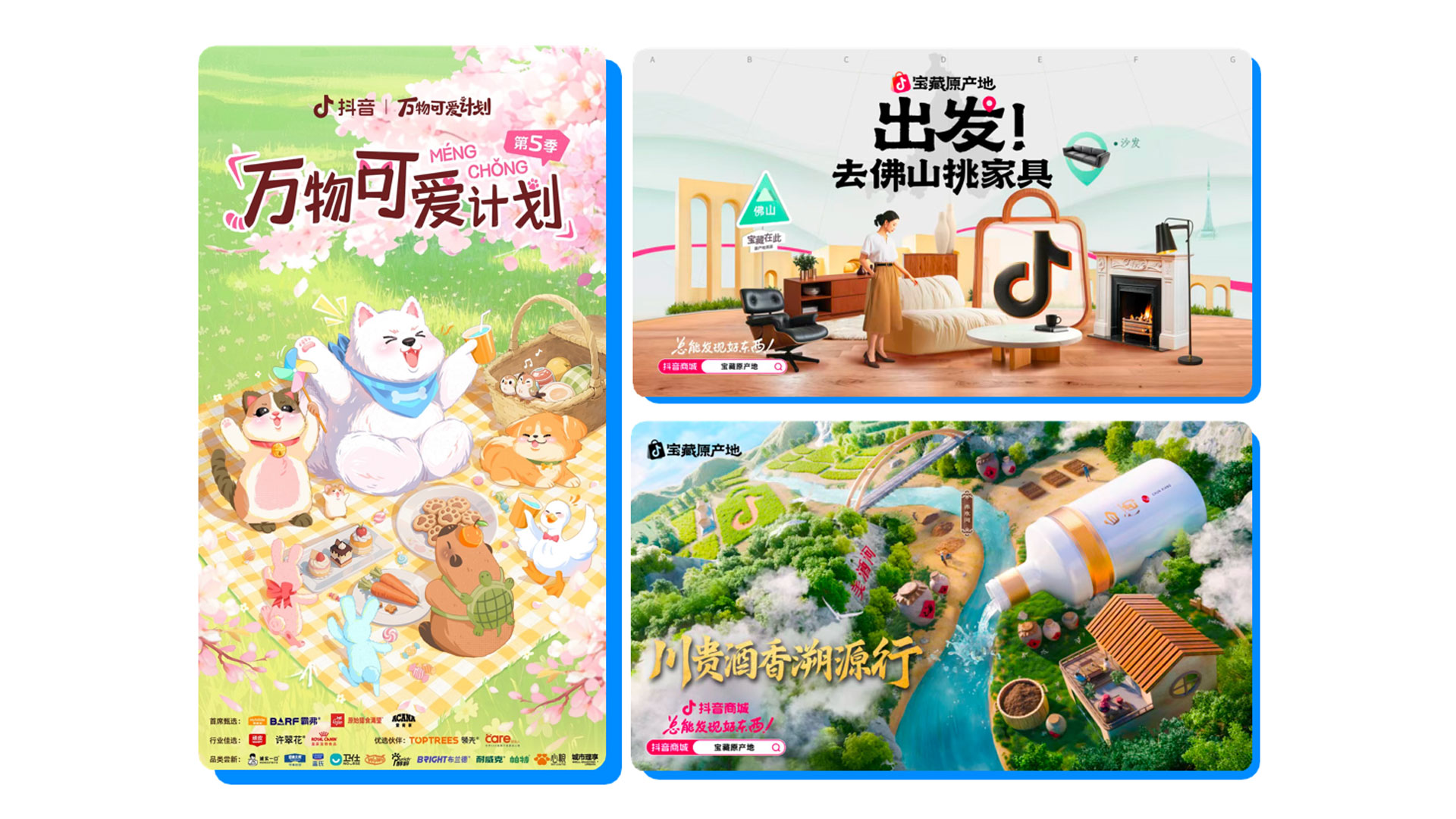
• The scene is the user's first visual perception of the live broadcast room .
Brands can approach the live stream from multiple angles, such as production scenarios, transaction scenarios, marketing scenarios, and usage scenarios, and attract users to enter the live stream and keep them watching by attracting user interest, solving user trust issues, and evoking emotional resonance.
How to find relevant scenarios? When consumers are concerned about food safety and "want to see if the factory workshop is clean," the live stream camera can be pointed at the source of the factory's production. For fashion enthusiasts who "wish they could fly to Paris to see a fashion show," brands can move the show online. Finding relevant scenarios is key; it's about returning to the consumer's pain points themselves.
• A good live streamer can sell products, while the addition of a good live stream guest can not only retain viewers in the moment, but also convert users into more loyal fans, thereby turning short-term traffic into long-term commercial value.
The core consideration when inviting guests to participate in a broadcast is how to build trust between guests and users.
When CEOs and business owners participate in live streams, the key is to tailor a distinct identity label that makes them easily recognizable. Emerging entrepreneurs have compelling backstories to explore, while executives from traditional companies present a more approachable and contrasting image. Bosses with product engineering backgrounds can articulate product design knowledge fluently, building trust with users. Bosses with compelling backstories are more likely to stand out. In short...
When celebrities and influencers enter live streaming rooms, the accuracy and appeal of their fans take precedence over the sheer number of fans. The key is to find celebrities and influencers whose fan profiles highly match the brand's target consumer group. Even after successfully matching their audience, celebrities must conduct comprehensive pre-event promotion to effectively target their target audience beforehand.
• If the product itself is highly attractive, users are more likely to view and share it.
Customizing livestream content and formats to align with the product's marketing highlights can further amplify the product's appeal and continuously attract new customers.
While ensuring a good connection between content and live streaming, and upgrading the live streaming platform, new trends emerging on Douyin also deserve more attention.
Every day, numerous trending topics emerge on Douyin (TikTok). Combining livestream topics with these trending topics can yield a synergistic effect greater than the sum of its parts. Livestreams themed around trending topics can draw inspiration from various angles, including current trends, major promotional events, and product category characteristics. More importantly, they adhere to three principles for aligning brands with trending topics:
1. Make quick decisions during the rising cycle of trending topics.
2. The trending topics favored by the brand's target audience (TA) are the ones that are usable .
3. The brand and the live streaming implementation format can be coupled .
Trending live streams must be warmed up beforehand, leveraging the growing trend of the topic to connect with brand content in advance. This involves influencer marketing and verified accounts to subtly promote the product, while simultaneously preparing inventory. For large-scale live streams , the core is to ensure consistency between the content, people, products, and setting. The scene must align with the theme to create an immersive viewing experience. The host must be engaging, staying on topic with appropriate clothing, makeup, props, and conversation. Limited-edition products should be offered to create a sense of scarcity.
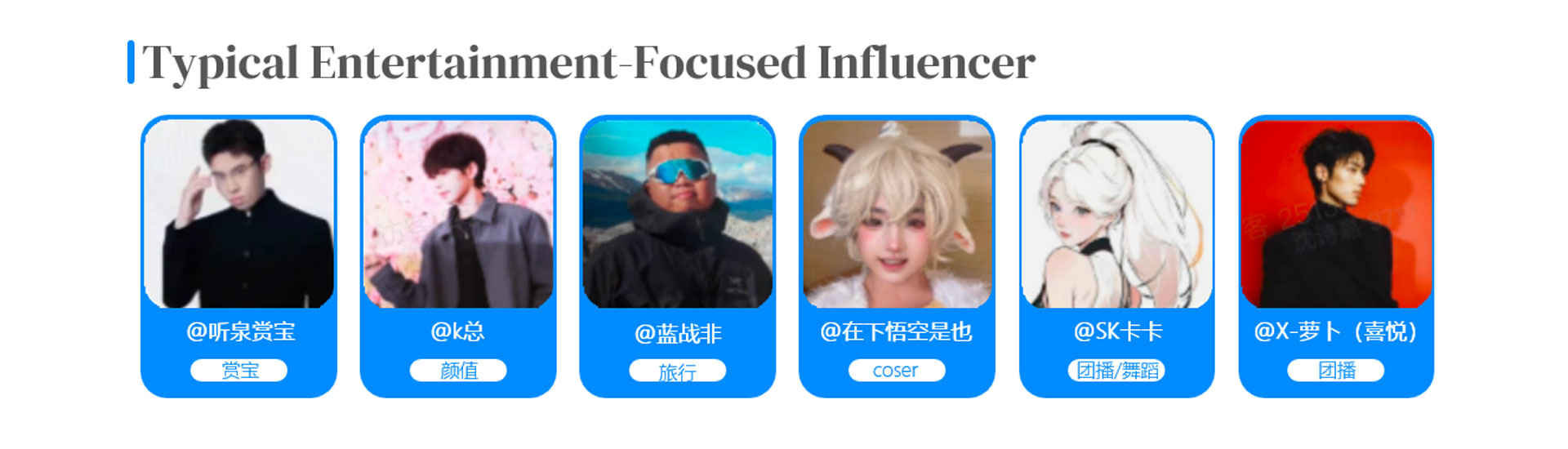
Among all trending live streams, entertainment live streams are developing the fastest, offering the greatest opportunities and possessing unique advantages in user attraction and conversion rates. Douyin's entertainment-focused influencers broadcast through various entertainment formats (dance, talent shows, chatting, treasure appraisal, cosplay, etc.), consistently attracting an average of over 10,000 concurrent viewers in their live streams, boasting a massive fan base. Their strong live performances captivate Douyin users, resulting in longer viewing times and high engagement. These entertainment-focused influencers, with their unique charm, broad social influence, and powerful content creation capabilities, are rising strongly in the wave of brand marketing, with their popularity continuing to climb.
Brands accurately grasped this marketing opportunity and collaborated deeply with entertainment influencers, rapidly upgrading live streaming strategies through methods such as live PK battles and influencer surprise appearances, achieving a marketing loop of soaring live stream popularity, surging sales conversion, and accumulating fans.
3. Advertising Product Support
Merchants can leverage the competitive advantages of their livestreaming rooms to attract content traffic and transaction flow, while also utilizing advertising traffic to ensure their livestreams reach a wider audience of potential users, quickly attracting targeted customers with purchasing intentions and improving conversion rates.
Past successful livestreaming events have demonstrated that brands that effectively combine pre-event promotion with explosive growth achieve better results in large-scale content-driven events.
Before the live stream, top influencers and media matrix accounts join in the pre-event promotion, amplifying user attention to the live stream content. From executives stepping into the spotlight to tracing the origins of the event, from new product launches to viral collaborations, this helps brands move from operating highly interactive and engaging live streams to creating impactful brand events that quickly gain consumer attention.
After the live stream begins, brands can expand their reach by heavily advertising their products, increasing interaction and engagement in the live stream. Merchants should prepare thoroughly before the live stream, focus on interactive guidance during the stream, and follow up with product combinations to achieve comprehensive user coverage and improved results.
4. Scientifically Plan the Live Broadcast Rhythm
Popular live streaming rooms have a huge appeal to consumers, but it is also necessary to accurately control the marketing pace and frequency of reach in order to avoid content fatigue among viewers.
So, how do we "scientifically determine the frequency" of live streams that generate explosive sales?
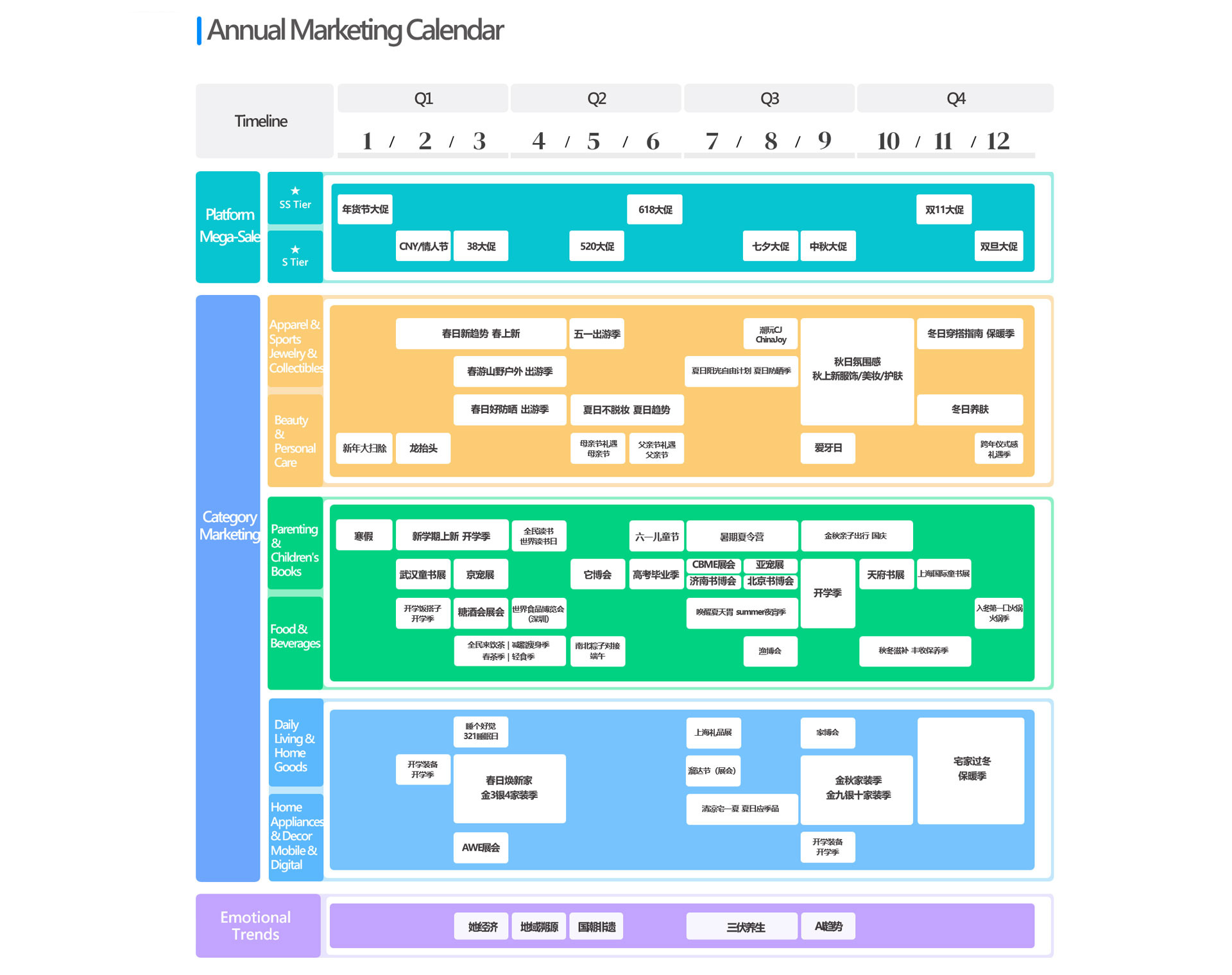
advertising platform, ByteDance's advertising platform, from January to June 2025, the frequency of popular live streams during major promotional periods is positively correlated with the total sales volume of those live streams. Specifically, setting up one popular live stream per week yields the best sales surge. At other times, in addition to the weekly popular live stream, two regular e-commerce live streams plus a large-scale event can be scheduled. This "1+2" content rotation model helps drive a gradual increase in organic traffic to the live stream.
After successfully creating a hit livestream session, brands can further explore combined strategies. Data shows that combining multiple types of livestream sessions significantly outperforms a single type of hit livestream session in terms of average GMV and other metrics.
5. Conduct Thorough Investment Assessments and Clarify the Returns on Live Streaming.
The success of popular live-streaming rooms does not solely depend on high cost investment. Merchants with different budgets can choose suitable investment models based on their own circumstances and business strategies. Cost investment should be seen as a reflection of business strategy, rather than an insurmountable barrier.
In a low-investment model, merchants should fully utilize existing resources within their brand. Typical popular livestreaming formats, such as trade show/factory livestreams, primarily involve investment in "product costs"; while origin-tracing/outdoor livestreams mainly involve investment in "venue materials + product costs." These types of livestreams have short execution cycles and relatively simple preparation work. From a commercial value perspective , a single livestream can quickly generate a surge in GMV and bring a natural traffic spillover effect to the livestream room. Therefore , brands can confidently and actively deploy these types of livestreams.
Under the high-investment model, merchants need to leverage external resources to conduct integrated marketing campaigns that combine brand building and sales performance. Typical formats include guest appearances by influencers and experts, celebrity appearances in live streams, and performances/press conferences. The core costs of these models involve "guest fees, product costs, and scene setup," respectively. From a commercial value perspective, high investment can lead to greater single-session live stream impact and a significant increase in organic traffic to the live stream, while also having a longer-term positive impact on brand awareness, customer acquisition, and consumer mindshare.
In summary, the two investment models for popular live-streaming rooms each have their own focus. The low-investment model relies primarily on the brand's own resources, aiming for quick and easy results and typically delivering a high ROI, allowing merchants to run multiple sessions. The high-investment model, on the other hand, leverages external resources to achieve a larger-scale impact, thereby gaining long-term value and accumulating brand equity. Merchants can choose the most suitable model based on their brand's current stage and specific goals.
客户留言
First Name*
Last Name*
E-mail*
WhatsApp
Line
WeChat
Country*
Website / Company Name*
What projects are you interested in? (Multiple options available)*
- E-commerce
- Social Media
- SEO
- Video Production
- Advertising
- Website Design
- Influencer Marketing
- Press Release Distribution
- Brand Identity Design
- Rebranding Solutions
- Campaign Activation
- Chinese Wikipedia Writing
- Company Registration
- Accounting & Tax Filing
- Trademark|Patent|Copyright
- Shop Design & Decoration
- Other Services
Annual Marketing Budget(USD)*
- <$10,000
- $10,000 - $50,000
- $50,000 - $300,000
- $300,000 - $1,000,000
- $1,000,000 - $5,000,000
- >$5,000,000
Please briefly describe your needs.
- I have read and agree with 《Privacy Policy》
Brandoro


;)
;)
;)