
Three Key Differences: China vs US Internet Marketing
Comparison of the Chinese and American Internet
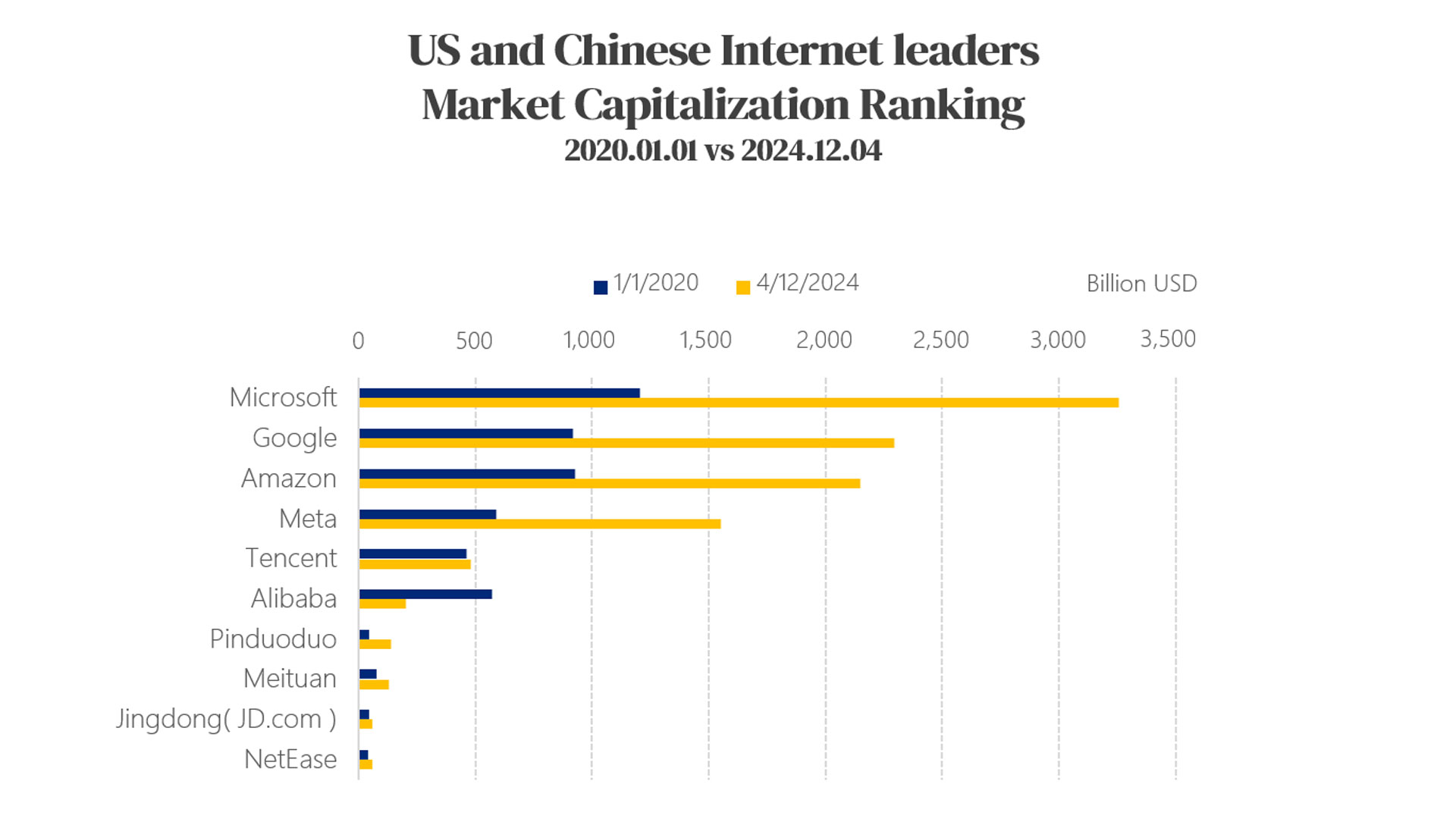
Under the influence of various factors, the internet environments of China and the United States have gradually evolved into two different parallel worlds, with a general divide between the two sides, accompanied by localized conflicts and frictions. However, from the perspective of broader technological development, both are at the end of the same technological cycle—the mobile internet cycle. The pandemic has accelerated online adoption, further increasing penetration rates, and the industry is gradually shifting from a growth market to a mature market. Both the Chinese and American internet sectors are pinning their hopes on the iteration of new AI technologies to drive a new cycle. The internet industries of China and the United States continue to diverge, with their respective characteristics becoming increasingly distinct, currently mainly reflected in three aspects:
Difference 1: Investment in AI.
Difference 2: Globalization strategy.
Difference 3: The benefits of short videos.
Difference 1: Investment in AI
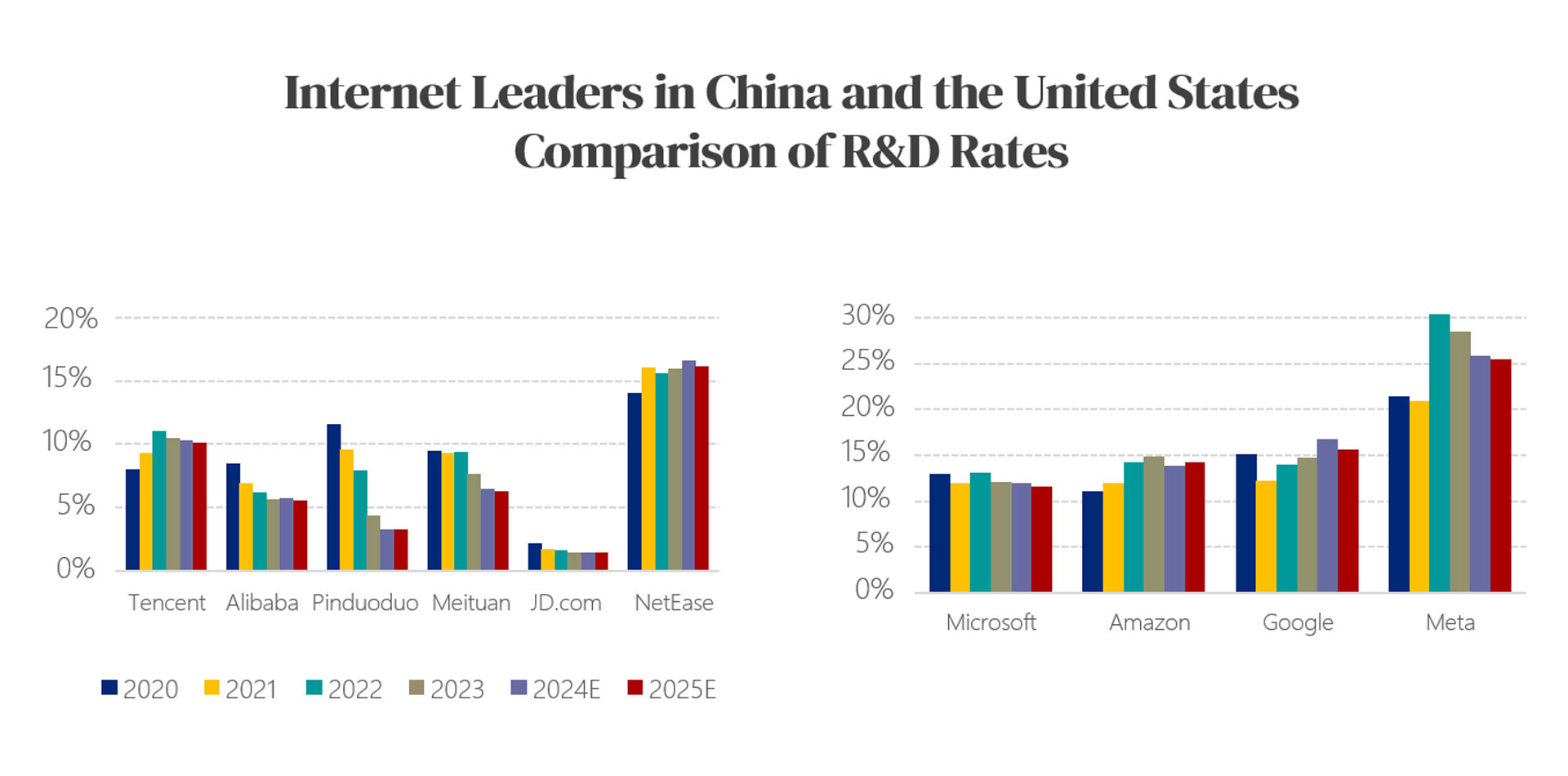
US internet giants are investing more aggressively in the AI race, focusing heavily on capital expenditures. With the emergence of ChatGPT at the end of 2022, AI, with its large-scale models, has once again returned to the global spotlight. AI is considered one of the must-invest areas for the next decade, poised to usher in a new major technological cycle. Both Chinese and American internet giants have launched a new wave of AI investment. Their common characteristic is the significant investment in R&D resources, especially in AI infrastructure construction, using capital investment to maintain technological leadership. Relatively speaking, US internet giants are investing more aggressively in this AI race. According to CB Insights data, in 2023, the total investment in China's AI market was only about 12% of that in the US.
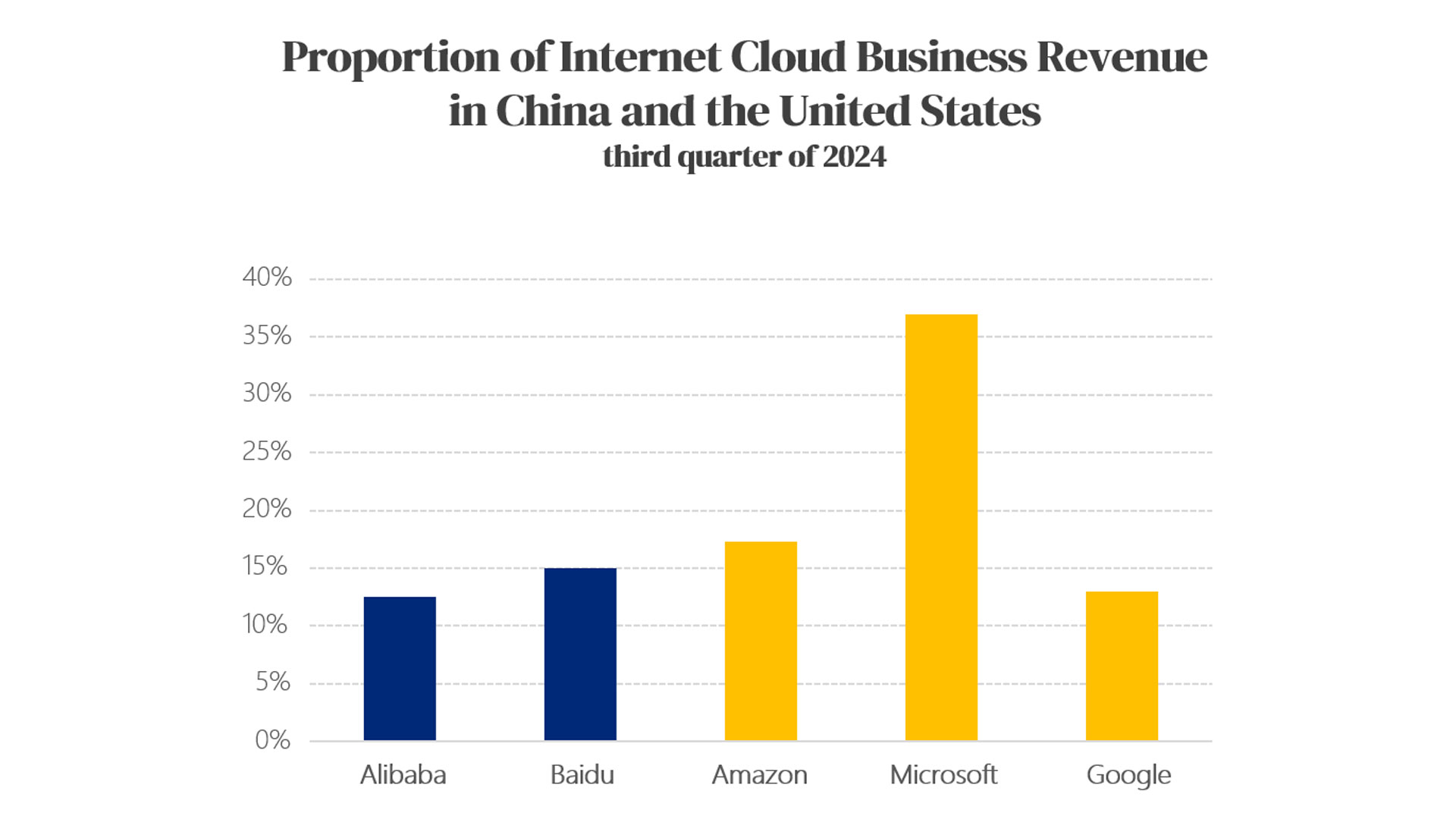
Beyond foundational layers like chips, cloud computing is currently the business that clearly benefits from large-scale models. AIGC requires substantial computing and storage resources, making it indispensable to cloud service providers, thus creating new business growth for cloud services. In the US, AI-related revenue for internet companies is primarily concentrated in cloud services, making cloud computing one of the fastest-growing sub-sectors. However, the growth rate of cloud services for Chinese internet giants has gradually slowed, failing to replicate the explosive growth seen in the US market. This is partly due to the strong rise of Chinese telecom operators' cloud services and their expanding market share in China. Furthermore, a significant gap remains between China and the US in B2B enterprise services; the SaaS ecosystem in China is not as active as in the US market.
Difference 2: Globalization
US internet giants have a higher proportion of overseas revenue. The difference in globalization is another major difference between the Chinese and American internet industries. Currently, the overseas revenue of US-listed internet giants generally accounts for around 50%, indicating a higher degree of internationalization. The advantages of globalization are: firstly, it allows for further expansion into potential users and market space; secondly, it reduces concentration in a single market, providing better counter-cyclical resilience. According to Q3 2024 financial reports, Google's overseas revenue accounted for 51%, Microsoft's for 48%, Meta's for 57% (outside the US and Canada), and Amazon's for 31% (outside North America).
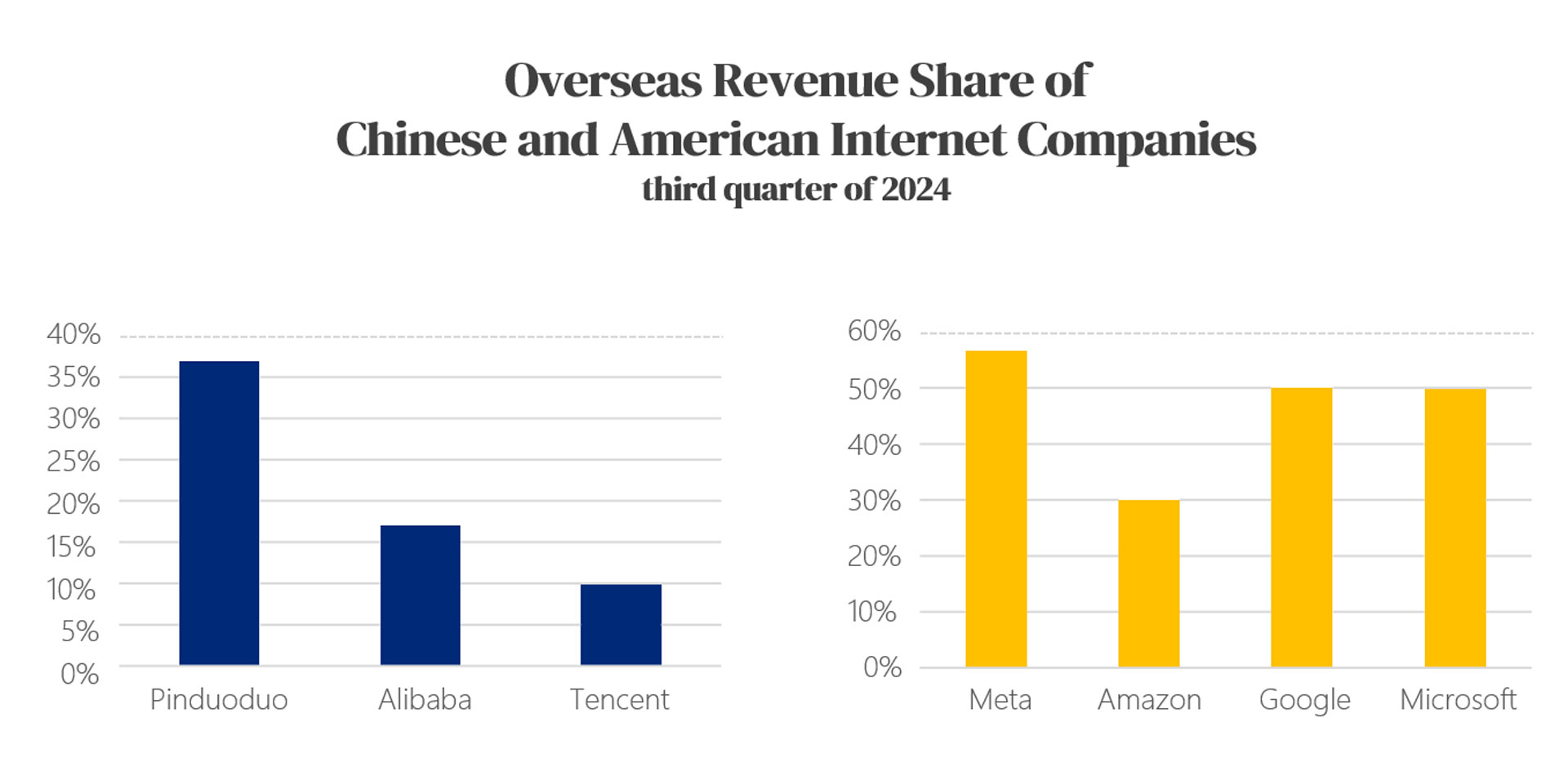
Chinese internet companies are accelerating their overseas expansion, striving to explore a second growth curve. On the one hand, as Chinese internet sub-sectors enter a relatively mature stage, competition is becoming increasingly fierce, and emerging overseas markets have become the next untapped value hotspots for the internet. On the other hand, stricter industry regulations in China from 2020 to 2022 have also accelerated the overseas expansion of Chinese internet companies. The overseas expansion tracks are becoming more diversified, gradually extending from the previously peripheral tracks of utility apps to more mainstream tracks such as e-commerce, entertainment, and even social media . The overseas expansion regions are also becoming more extensive. While most Chinese internet companies still prioritize Southeast Asia, many are gradually focusing on Latin America, the Middle East, and more mature markets in Europe and America.
Geopolitics remains a significant risk for Chinese companies expanding overseas. The potential for a "Trump 2.0" scenario could introduce uncertainty for Chinese companies going global, particularly in the US market. The ongoing battle over TikTok in the US will continue, and its outcome will influence the strategic direction of other Chinese companies venturing abroad. Many Chinese companies are accelerating their global expansion, actively seeking markets in Europe, the Middle East, Japan, and South Korea to mitigate the risks of over-reliance on a single market segment.
The impact of Chinese companies going global on American internet companies varies. On the one hand, cross-border e-commerce has become one of the main forces driving Chinese companies' overseas expansion. Platforms like Temu and TikTok Shop have become core players in the American e-commerce and social e-commerce sectors, intensifying competition in the American e-commerce industry and putting pressure on Amazon, the leading American e-commerce company.
On the other hand, the overseas expansion of Chinese companies has brought huge advertising and marketing budgets to US advertising platforms, driving short-term performance growth. According to Meta's 2023 financial report, revenue growth from Chinese advertisers was one of the main drivers of performance in 2023, contributing one-tenth of total revenue, especially in the e-commerce and gaming industries.
Difference 3: Short Video Dividend
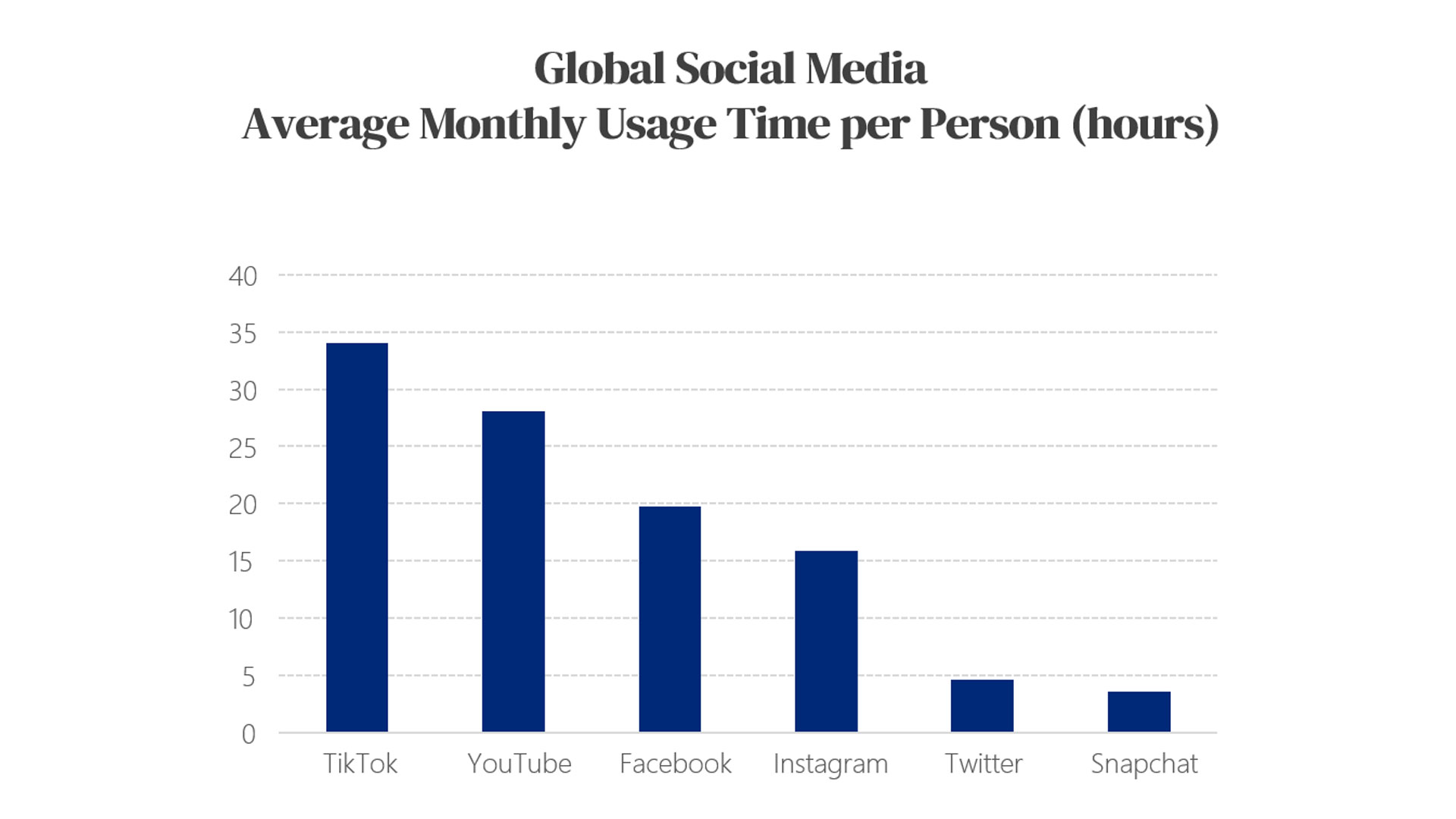
The explosive growth of short videos in China has given rise to the behemoth ByteDance. For listed traditional internet giants such as BAT (Baidu, Alibaba, and Tencent), the impact has been enormous, disrupting the existing competitive landscape in areas including advertising, e-commerce, and local services. TikTok dominates short video traffic in the US, YouTube Shorts is catching up, and short video traffic in China has peaked, shifting towards more refined monetization . The era of short video boom in both China and the US has completely reversed.
Comparison of Revenue and Profit of Chinese and American Internet Companies
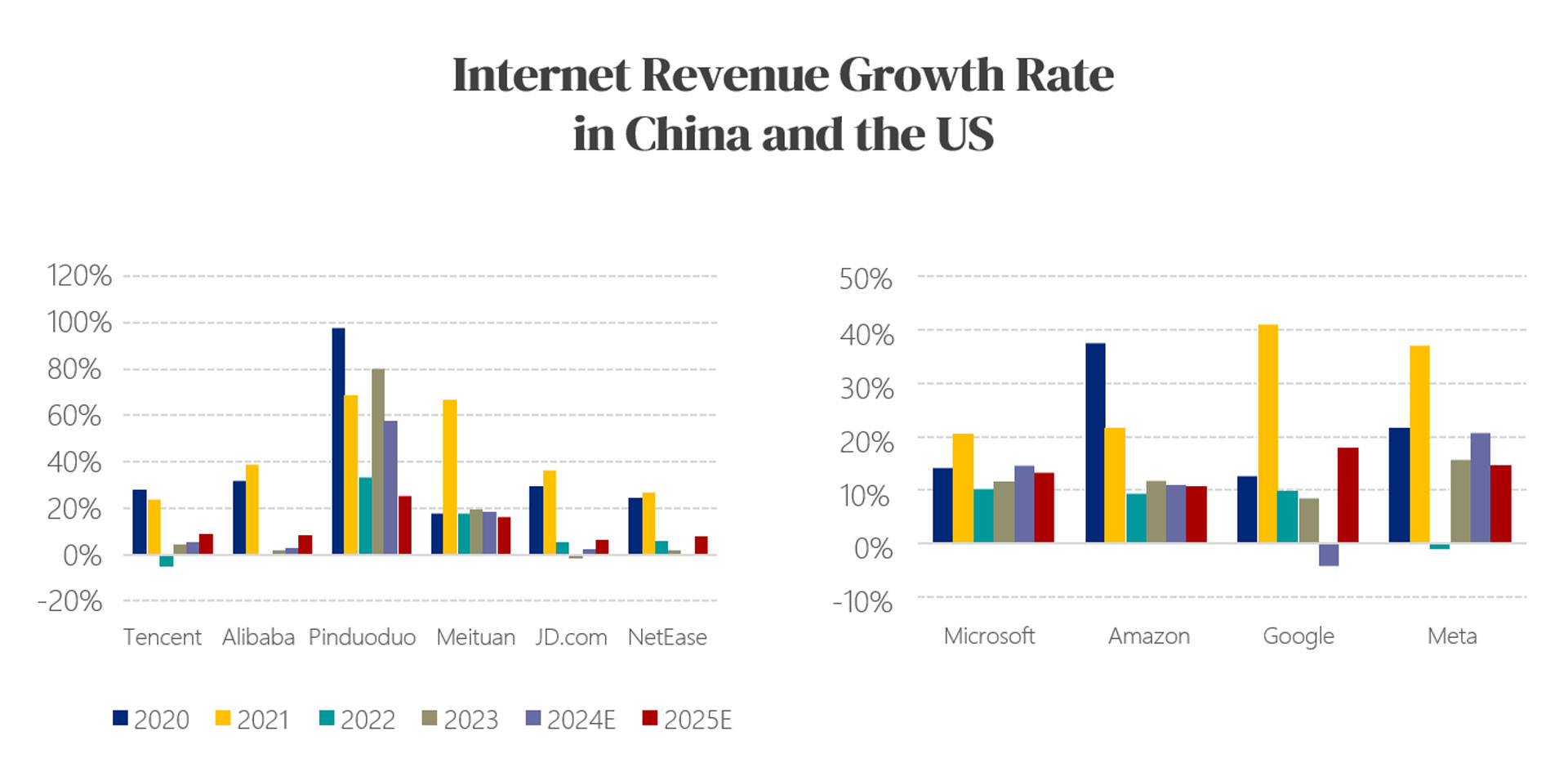
In terms of revenue, the mobile internet industry has entered a mature stage. As penetration rates approach their peak, overall revenue growth is gradually slowing. The average projected growth rate for leading Chinese internet companies in 2025 is 12%, while the average projected growth rate for leading US internet companies in 2025 is 14%.
In terms of profit margins, due to their asset-light business model, internet companies generally have higher profit margins than traditional industries, providing ample cash flow. As traffic growth plateaus, the focus has shifted from increasing revenue to reducing costs. In recent years, both Chinese and American internet companies have implemented varying degrees of cost-cutting and efficiency-enhancing measures. Chinese internet companies have gradually slowed their investment in new businesses in recent years, focusing on core businesses and driving steady growth in gross margins. Meanwhile, leading US internet companies continue to increase their investment in AI, which may lead to short-term fluctuations in profit margins.
The Digital Advertising and E-Commerce Industries in China and the United States
Global Digital Advertising Market Growth and Competitive Landscape
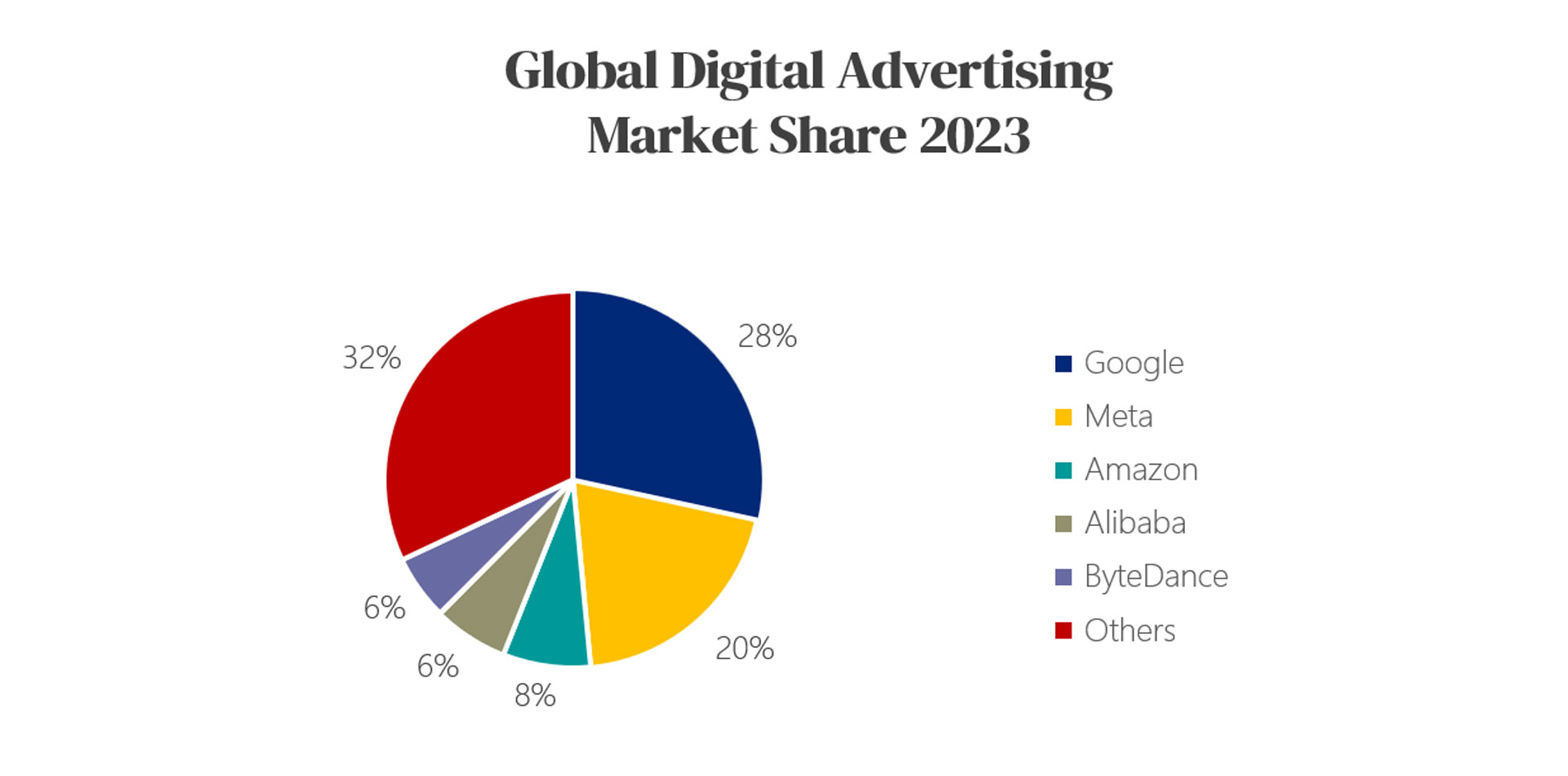
According to Grand View Research, the global digital advertising industry is projected to grow at an annual rate of 15.5%, from $420.6 billion in 2023 to $1.1 trillion in 2030. In terms of the competitive landscape, according to eMarketer data, in 2023, Google and Meta, the two major traffic drivers, accounted for 48% of the global digital advertising market share, with Google holding 28% and Meta holding 20%.
Growth Rate and Competitive Landscape of China's Digital Advertising Market
from 2023 to 2025E . In terms of the competitive landscape, in terms of advertising revenue, Alibaba and ByteDance each held approximately one-quarter of the market share in 2023, followed by Tencent and Baidu.
Growth Rate and Competitive Landscape of the US E-commerce Industry
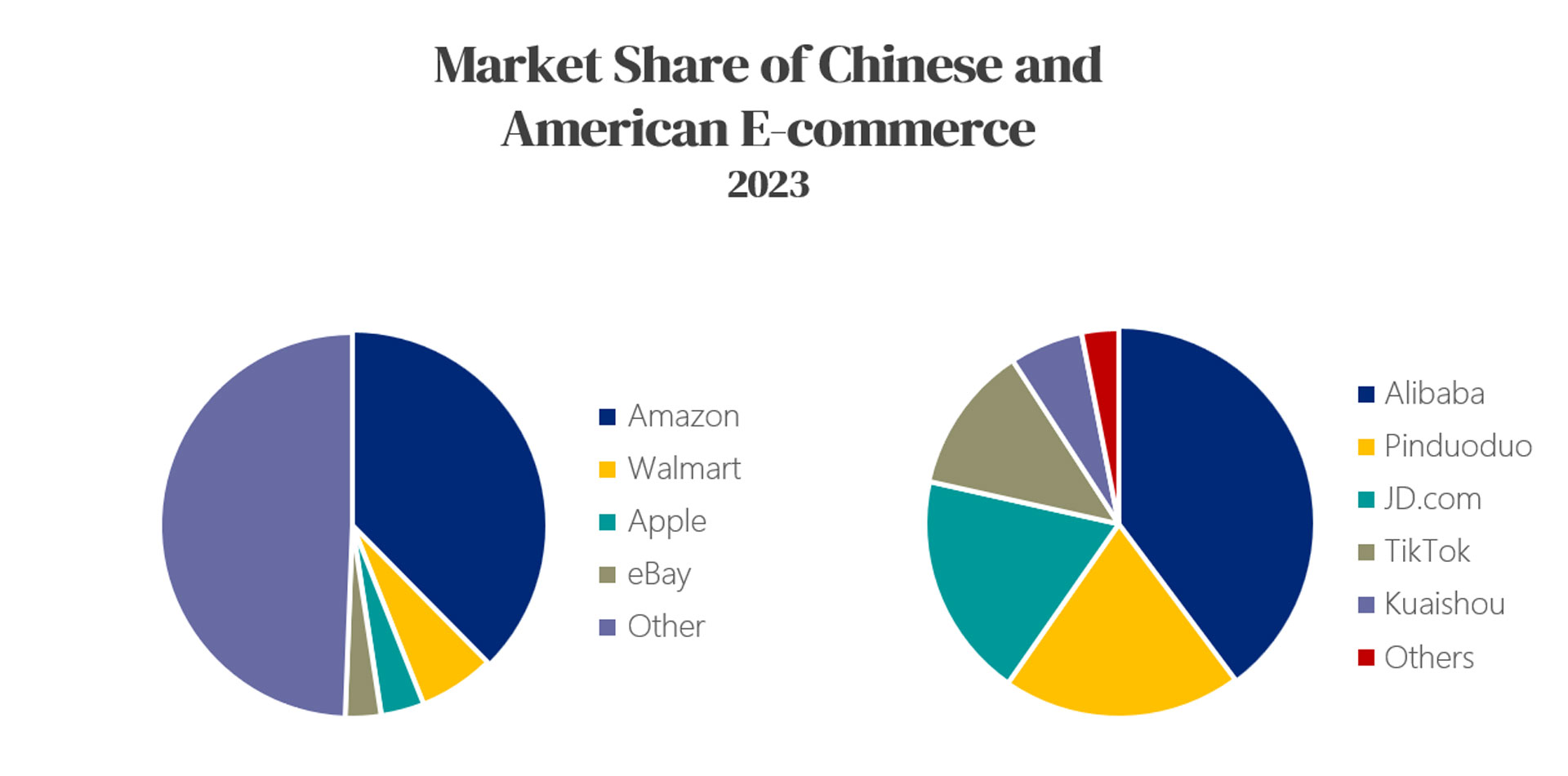
According to Statista, the US e-commerce market is projected to maintain a compound annual growth rate of 9% between 2024 and 2029. In 2023, Amazon was the leading e-commerce company in the US with a market share of 37.6%, followed by Walmart with 6.4%.
Growth Rate and Competitive Landscape of China's E-commerce Industry
According to data from the National Bureau of Statistics, online retail sales of physical goods reached 10.33 trillion yuan from January to October 2024, a year-on-year increase of 8.3%, accounting for 25.9% of total retail sales of consumer goods. In terms of market share, Alibaba (40%), Pinduoduo (20%), and JD.com (19%) occupy the majority of the market, while live-streaming e-commerce, represented by Douyin and Kuaishou, accounts for about 20% of the market share.
客户留言
First Name*
Last Name*
E-mail*
WhatsApp
Line
WeChat
Country*
Website / Company Name*
What projects are you interested in? (Multiple options available)*
- E-commerce
- Social Media
- SEO
- Video Production
- Advertising
- Website Design
- Influencer Marketing
- Press Release Distribution
- Brand Identity Design
- Rebranding Solutions
- Campaign Activation
- Chinese Wikipedia Writing
- Company Registration
- Accounting & Tax Filing
- Trademark|Patent|Copyright
- Shop Design & Decoration
- Other Services
Annual Marketing Budget(USD)*
- <$10,000
- $10,000 - $50,000
- $50,000 - $300,000
- $300,000 - $1,000,000
- $1,000,000 - $5,000,000
- >$5,000,000
Please briefly describe your needs.
- I have read and agree with 《Privacy Policy》
Brandoro


;)
;)
;)